Handicrafts on the Map of Andalusia and Its Unique Treasures
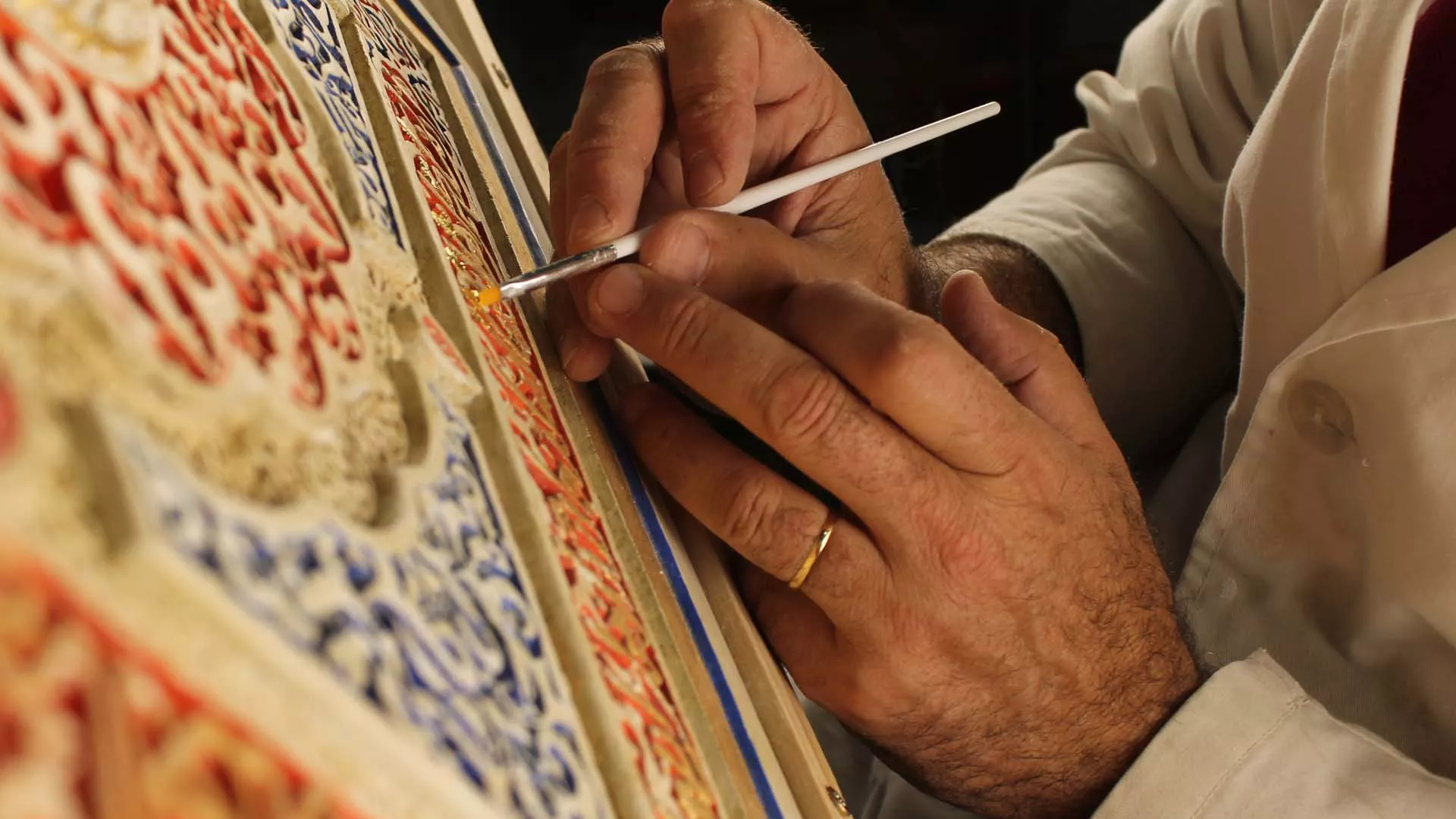
Andalusia is not only a land of flamenco, sunshine, and tradition. It is also a benchmark in the world of handicrafts and gourmet products that, for centuries, have been part of its cultural identity. In each province, we find crafts that have been passed down from generation to generation and that today are true gems for those seeking gifts with history and authenticity.
Below, we present five key areas of Andalusian craftsmanship and their most representative products:
1. Granada – Fajalauza Ceramics
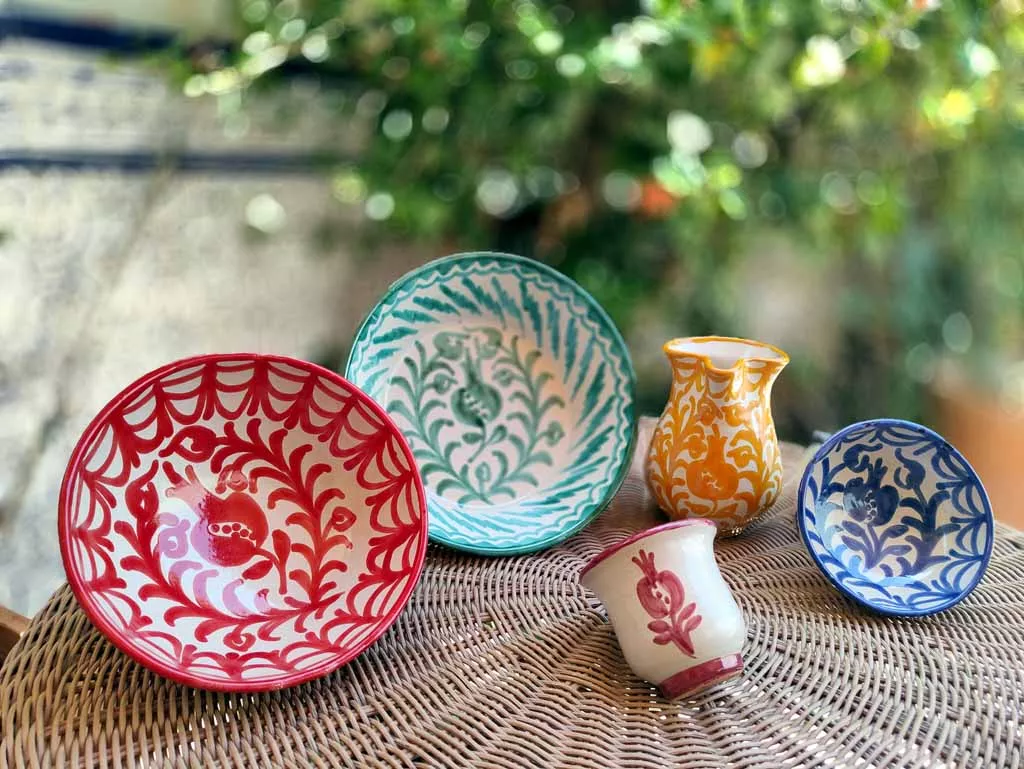
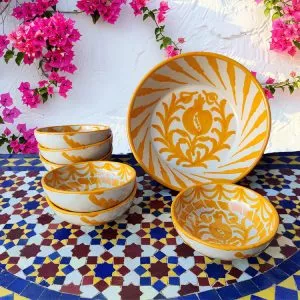
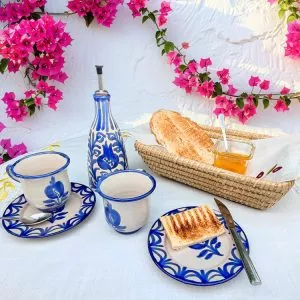
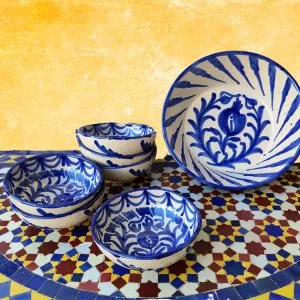
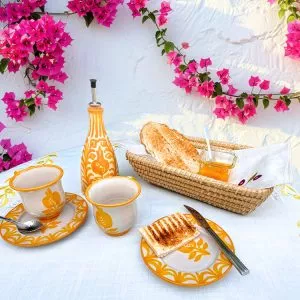
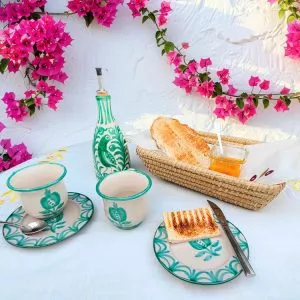
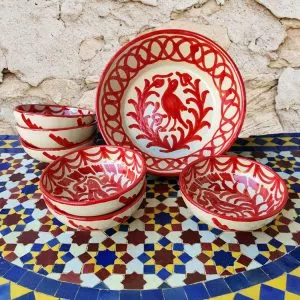
Fajalauza ceramics are one of the most recognized symbols of Granada’s craftsmanship. Their origins date back to the 16th century, when the Morales family founded the first workshops in the Albaicín district. With their characteristic white and green —and sometimes blue— glazes, Fajalauza pieces display vegetal, animal, and heraldic motifs that evoke the Nasrid past of the city.
Today, Fajalauza plates, jugs, and tiles are unique pieces that combine tradition with a contemporary touch — perfect for gifting and preserving a piece of Granada’s history.
2. Córdoba – Filigree and Leatherwork
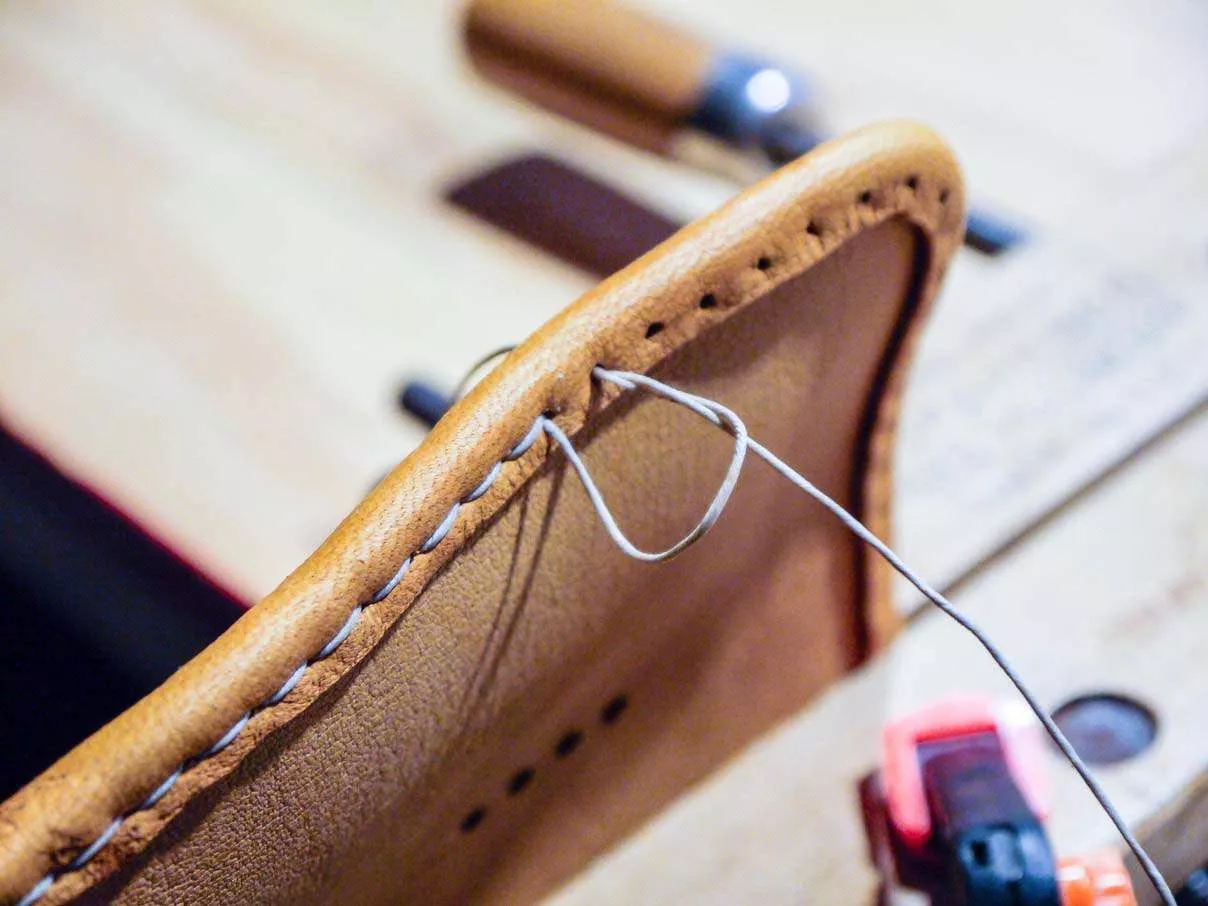
Since the Caliphal period, Córdoba has been the cradle of two artisanal crafts that have transcended borders:
Córdoban filigree, a meticulous silver jewelry technique rooted in Muslim heritage. Its geometric shapes and delicate designs are now exclusive pieces that captivate collectors and travelers alike.
Córdoban leatherwork, or guadamecíes, made from worked and decorated leather, was highly prized in European courts since the Renaissance. Today, it is used in high-end leather goods such as handbags, belts, and luxury accessories.
3. Seville – The Art of Triana Ceramics
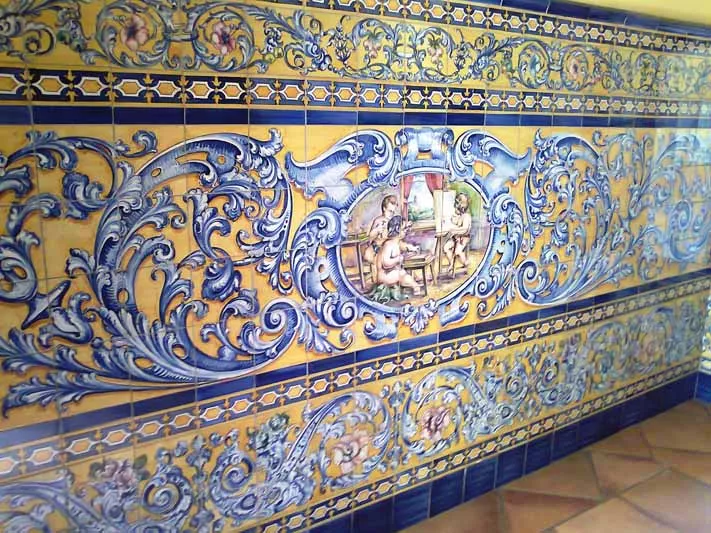
The Triana district has been synonymous with ceramics since the Middle Ages. Thanks to the quality of the clay from the Guadalquivir River, Seville became a major production center of glazed tiles and pottery.
For centuries, Triana’s workshops decorated palaces, churches, and squares with brightly colored tiles depicting traditional scenes. Today, alongside architectural pieces, artisans produce tableware, murals, and decorative objects that preserve the unmistakable hallmark of Sevillian ceramics.
4. Jaén – Esparto Grass and Olive Wood Crafts
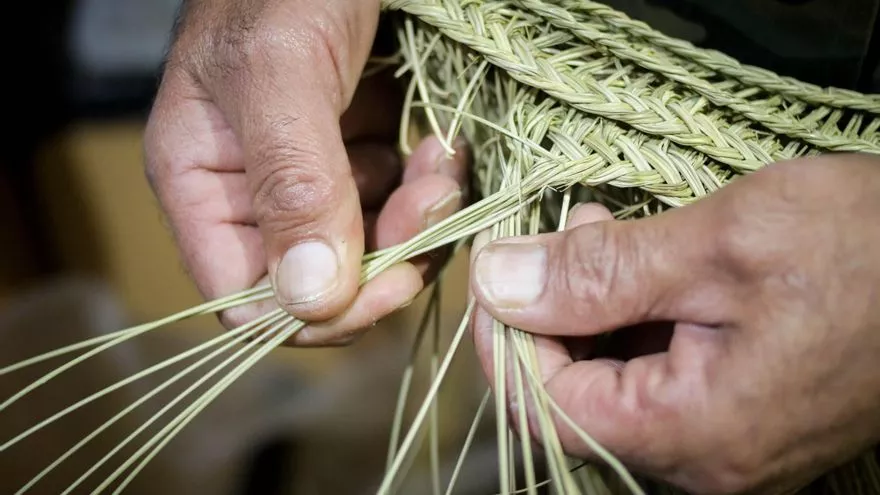
In the province of Jaén, the olive grove landscape not only gives rise to its famous oil but also to a craft tradition deeply connected to nature:
Esparto grass, used since Iberian and Roman times, has been woven to make mats, baskets, and everyday utensils.
Olive wood, with its unique grain, is transformed into spoons, cutting boards, and decorative pieces that combine functionality and beauty.
This craft keeps alive the bond with the land and promotes sustainability.
5. Cádiz – Leather Goods and Wine-Related Crafts
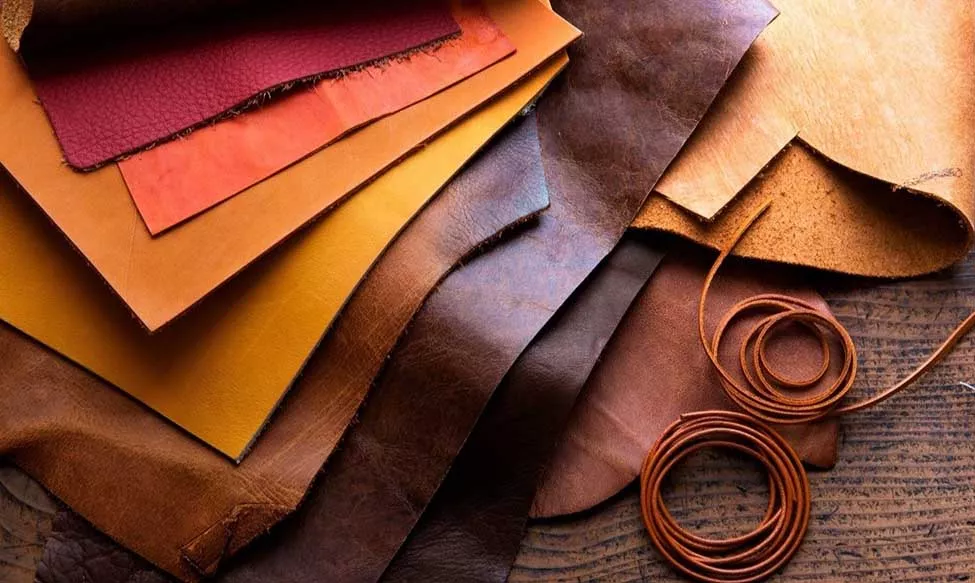
The province of Cádiz stands out for two artisanal branches closely tied to its identity:
In Ubrique, leather goods have become a hallmark of international excellence. Since the 18th century, Ubrique artisans have produced high-quality leather items, collaborating even with major fashion houses.
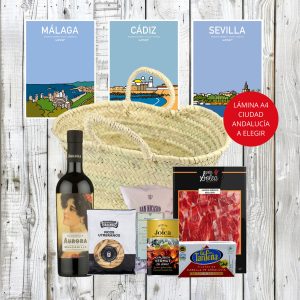
In the Jerez wine region, the culture of wine has inspired crafts linked to cooperage and the creation of objects made from oak barrels — perfect as gourmet gifts with history.